Wednesday, March 16, 2016

Southeastern Biogeochemistry Symposium


This past weekend (March11-13) I got the chance to go to Knoxville, TN for the two day SBS symposium. There were many graduate students and undergraduate students who attended and shared their past and present biogeochemistry research and fortunately enough for me I was one of those students. I presented my current research as a member of the NSF Dimensions of Biodiversity research team this semester on anaerobic microbial iron reduction in the environment (sediments).


 Instead of going over the research that I presented, I would like to share with you some of the other research that I found interesting that was presented at the symposium.  Right away I noticed an overall theme of most of the ongoing research and that was the oil spill of 2010 in the Gulf of Mexico. The oil spill in the Gulf in 2010 was the largest, most catastrophic spill in human history and millions of gallons of oil were released into the environment.

There were a lot of projects that focused on microbial bioremediation for the breakdown of hydrocarbons (oil) in the environment. Research is being done to see which microbes in the environment are responsible for cleaning up the oil that was released and under what conditions these microbes need to thrive.Another project that I liked focused how microbes respond to phosphorus in the environment. This research investigated how microbes respond to climate change (temp variation, precip variation, etc.). I learned that microbes in soil have control over the release of greenhouse gases in the environment by degradation of soil organic matter.


It’s really hard to choose which topics to write about because they were all very interesting. This was actually my first professional conference and I must say, I would definitely go back or attend another professional conference. The experience was great and I got a chance to meet a lot of very smart people. 

Monday, February 8, 2016

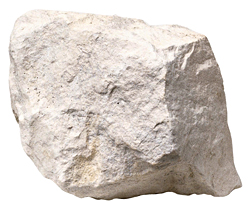
Rock Type: Limestone

Limestone

Limestone is a sedimentary rock composed of the carbonate minerals calcite and aragonite. Limestone can form through deposition or precipitation and there are different names for these rock types dependent on the formation / composition of the rocks. Limestone is not found everywhere and it only occurs in areas where underlain sedimentary rock exists.
Limestone Rock Types -
Chalk: fine grained; white or light gray in color. It is formed by the calcium rich shell remains of microscopic marine organisms or certain types of marine algae.


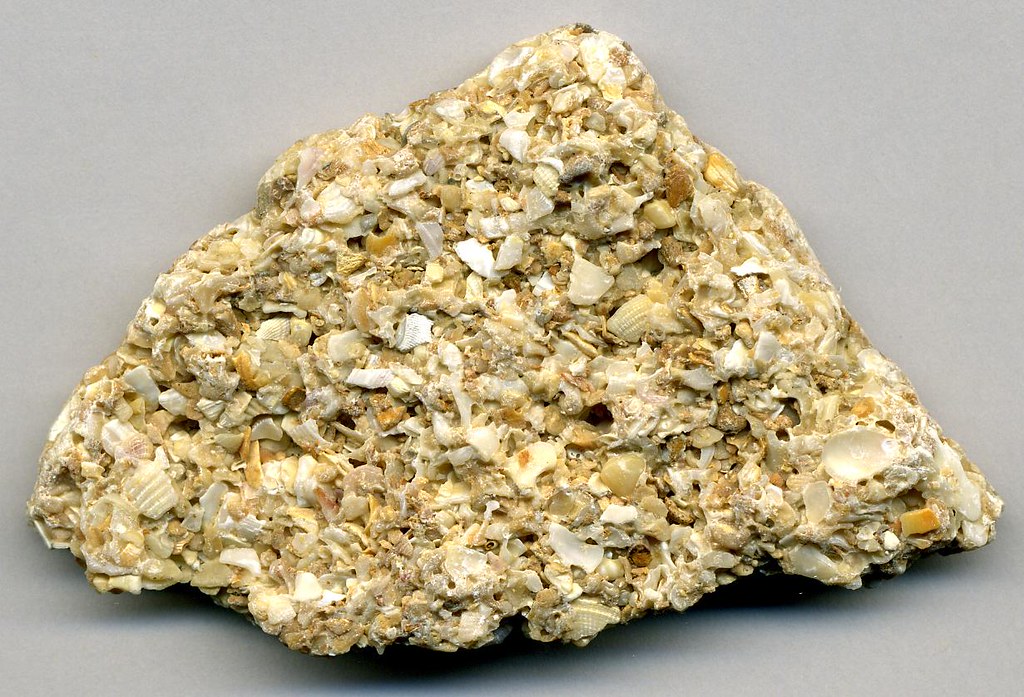
Coquina: calastic; tan or white in color. It is formed mainly by the broken shell remains of marine organisms.


Fossiliferous Limestone: calastic; grey in color. It is formed by  the remains of marine organisms: shell and skeletal fossils.


Lithographic Limestone: very fine grained; white or light gray in color.


Oolitic Limestone: fine grained; white, gray, or yellow in color. It is formed by small spheres of calcium carbonate particles “oolites” through precipitation.

Travertine: banded; white in color. It is formed by evaporative precipitation, often in a cave and produces formations such as stalactites, stalagmites and flowstone.

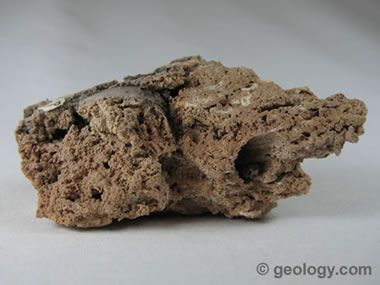
Tufa: porous; white or gray in color. It is formed by precipitation of calcium rich waters such as a hot spring, lakeshore or marine environment.


Uses For Limestone -
construction
architecture
food additive for animals (calcium source)
cosmetics/toothpaste
ingredient in paper, plastic, paint

Sunday, February 7, 2016

Minerals: Fluorite


   Calcium Fluoride 

Fluorite is classified as a halide mineral, its chemical formula is CaF2 - chemical composition is calcium and fluorine. Fluorite occurs naturally world wide and there are many industrial purposes that the mineral is used for. Acid grade fluorite is the most pure form of CaF2 (97%) and is used by the chemical industry in the production of hydrofluoric acid. The most pure forms of calcium fluoride are colorless; however, impurities cause the fluorite mineral to form with many different color variations.  Ceramic grade fluorite (85-96% CaF)is used in ceramics for the production of glaze and enamel as the mineral in this form has the properties of producing a hard glossy surface. Metallurgical grade fluorite contains between 60 and 85% CaFand is used in the production of of iron, steel, and other metals. Other forms of fluorite especially vibrant colored forms of the mineral may be cut for decoration or collectible purposes but are too soft to be cut for jewelry (hardness of 4). 


Wednesday, February 3, 2016

What is environmental geology?


After giving it some more thought, I would say that environmental geology is essentially the study of earth and earth processes / systems. As Jenny mentioned in class, “a system is more than the sum of its parts” –In order to grasp the cause, severity, and identify solutions for environmental concerns, one must first understand the pieces that link together forming the system(s) that are affected. I think this is a really important idea to understand, especially when looking at matters from a scientific perspective.


My pet peeve